


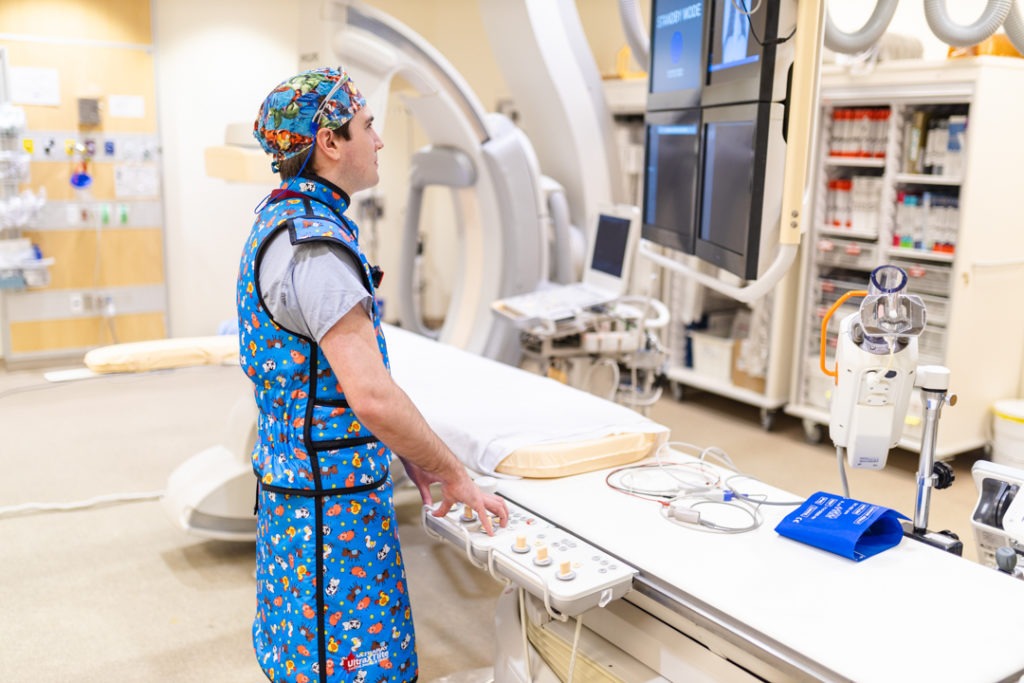
Pediatric Interventional Radiology (PIR) is an advanced medical specialty that uses imaging guidance—such as X-rays, ultrasound, CT scans, and MRI—to perform minimally invasive procedures in children. These techniques allow doctors to diagnose, treat, and manage a wide range of conditions without the need for traditional open surgery. The result is safer, faster, and more comfortable care for young patients.
Why Choose Pediatric Interventional Radiology?
1. Minimally Invasive, Maximum Comfort
PIR procedures use small or no incisions, which means:
- Less pain and trauma
- Shorter recovery times
- Faster return to school, play, and normal routines
- Minimal scarring—an important consideration for growing children
2. Precision Treatment with Advanced Imaging
Using high-resolution imaging like ultrasound, fluoroscopy, CT, and MRI, pediatric interventional radiologists perform targeted procedures with incredible accuracy. This allows:
- Precise diagnosis and treatment
- Minimally invasive biopsies
- Organ preservation and reduced disruption to healthy tissues
3. Safer Procedures, Fewer Complications
Because PIR procedures are less invasive:
- The risk of infection is significantly lower
- Many can be done with local anesthesia or mild sedation
- Children experience fewer post-procedure complications
Benefits for Children and Families
4. Faster Recovery & Shorter Hospital Stays
Most PIR procedures are performed on an outpatient basis. This means
- Children often go home the same day
- Reduced need for hospitalization
- Quicker healing and fewer disruptions to family life
5. Broad Range of Applications
PIR is used to diagnose and treat many conditions in infants, children, and adolescents, including:
- Vascular issues (e.g., malformations, tumors)
- Gastrointestinal or urinary problems (e.g., bleeding, kidney stones, abscesses)
- Neonatal conditions (e.g., bile duct or vascular blockages)
- Congenital heart abnormalities requiring minimally invasive intervention
6. Tailored Pediatric Expertise
Our interventional radiologists are specially trained to care for children. They understand:
- Pediatric anatomy and physiology
- How to communicate with and comfort young patients
- The importance of minimizing both physical and emotional stress
Common Pediatric Interventional Procedures
- Image-guided biopsies (e.g., liver or kidney)
- Embolization to block blood supply to tumors or abnormal vessels
- Angioplasty to widen narrowed blood vessels
- Drainage of abscesses, cysts, or fluid collections
- Central venous access device placement (e.g., PICC lines)
- Balloon dilation of obstructed ducts or pathways
Better Outcomes with Less Risk
Pediatric Interventional Radiology offers a child-focused, technology-driven approach to medical care. By minimizing invasiveness and maximizing precision, PIR helps young patients heal faster, avoid unnecessary surgeries, and enjoy improved long-term outcomes, all with less stress for families.
If you’re looking for a safer, gentler, and highly effective alternative to traditional surgery for your child, Pediatric Interventional Radiology may be the right choice
Interventional radiology is used in a broad array of medical fields, including cardiology, oncology, gastroenterology, and urology, and is increasingly becoming a first-line option for managing various conditions.